Superficial wound (with no drainage) 2. The dressing is changed 1 to 3 times a day.

Which Dressing Should I Use It All Depends On The Timeing Semantic Scholar
Odor and yellow drainage on removal.
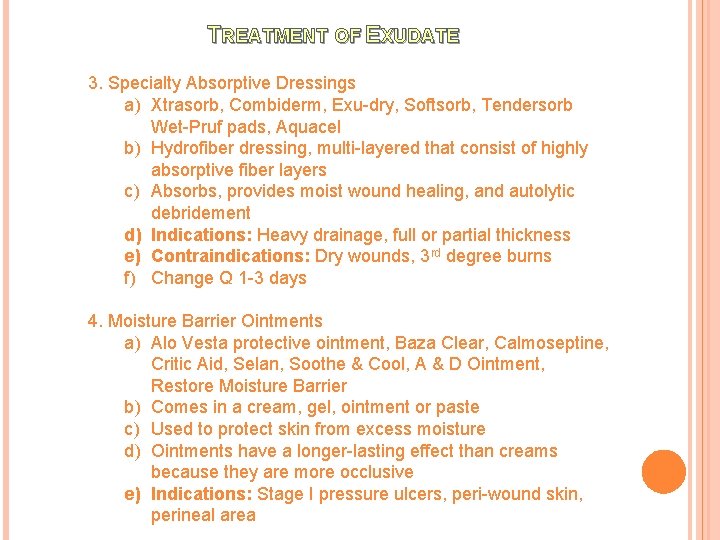
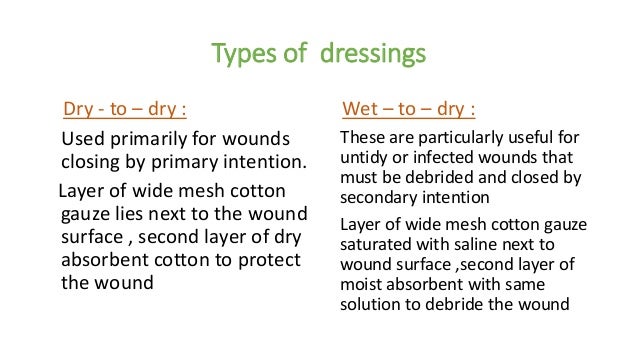
Wet to dry dressing indications. This type of dressing is used to remove drainage and dead tissue from wounds. This type of dressing is used to remove drainage and dead tissue from wounds. Wet to dry dressing keeps wounds clean and promotes healing.
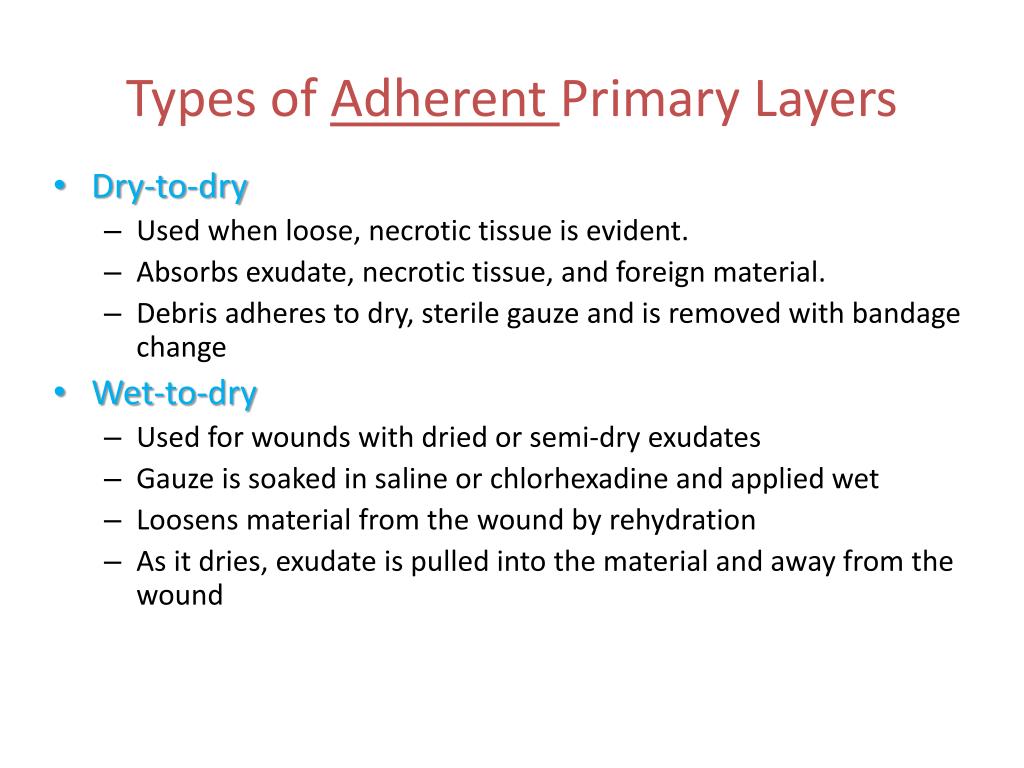
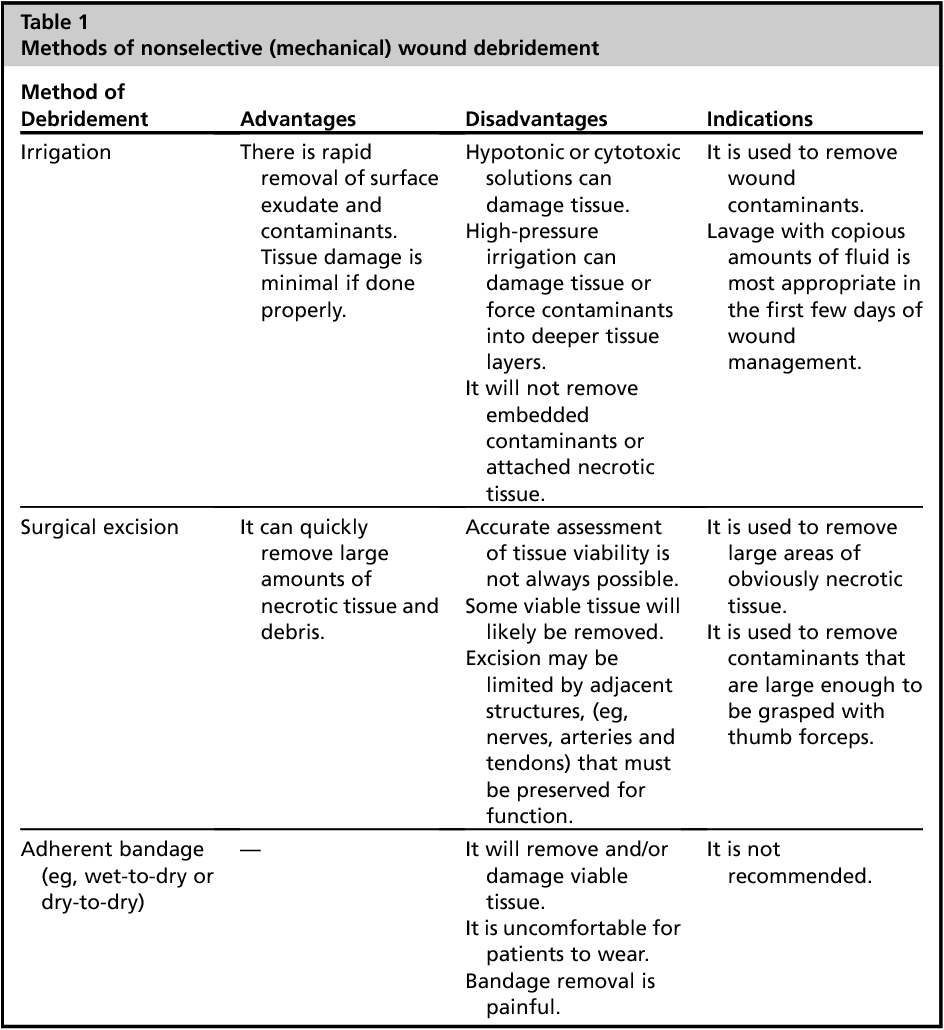
This type of dressing is used to remove. Wound drainage and dead tissue can be removed when you take off the old dressing. Traditional gauze swabs are used to make wet‐to‐dry dressings for debridement of necrotic wounds dry dressings are indicated for surgical wounds to provide sterile coverage.
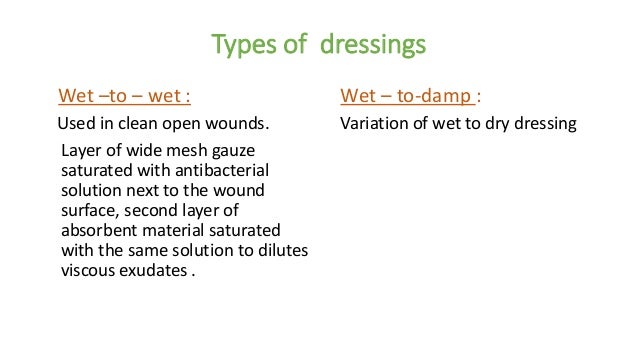
Variation of wet to dry dressing 12. How to change your dressing. The wound can then close around the cloth.
Not recommended for wounds with heavy exudate, sinus tracts, or infections; Deep wounds, or wounds with surrounding fragile skin. Without packing, the space may close off to form a pocket and not heal.
Application as a wet to dry dressing is most commonly used when wound fluids have a high viscosity or in the case where the wound surface is dehydrated and scabs have formed. The gauze is wetted with a sterile salt solution, excess fluid is squeezed out. Deep wounds with undermining and tunneling need to be packed loosely.
Follow any instructions you are given on how to change the dressing. Wash your hands thoroughly with soap and warm water before and after each dressing change. Deep wounds with undermining and tunneling need to be packed loosely.
If it is sticking to your skin, wet it with warm water to loosen it. Another benefit of hydrocolloid dressings is the actual nursing time, which is notably reduced because they only need to be changed once in several days, much unlike the. Follow these steps to remove your dressing:
• wash your hands well with soap and water. May soften and change shape with heat or friction. Changing your dressing • remove the.
Without packing, the space may close off to form a pocket and not heal. Contraindicated in complex wounds healing by second intention, where modern dressings with healing‐enhancing properties are needed to stimulate healing Many of the newer dressings are designed to create a moist wound healing environment which allows the wound fluids and growth factors to remain in contact with wound, thus promoting autolytic debridement and accelerating.
A wet gauze dressing is put in the wound and allowed to dry. Before you start • if you need pain medicine, before you change your dressing. They help clean the wound and remove dead tissue.
Secondary dressing to hold things in place. Traditionally, when wounds required debridement wet to dry dressings were used. Basically, a wet piece of clean cloth is put into the wound.
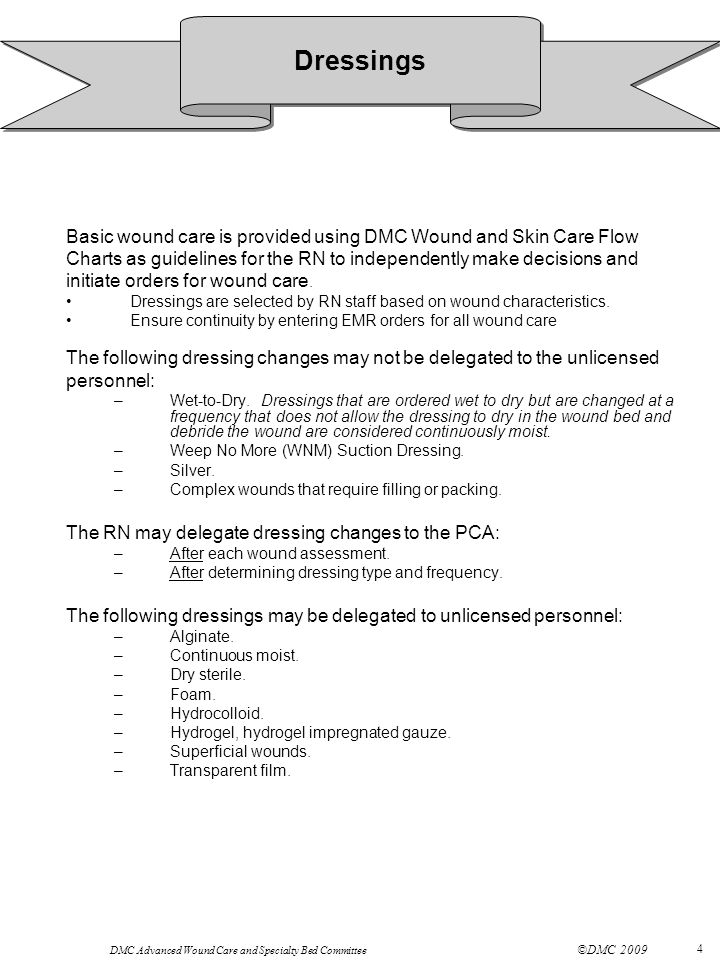
Wound drainage and dead tissue can be removed when you take off the old dressing. With this type of dressing, a wet (or moist) gauze dressing is put on your wound and allowed to dry. This involved applying moist saline or other solution (i.e., dakin’s) to gauze, placing it into a wound bed, allowing it to dry, and then removing it.
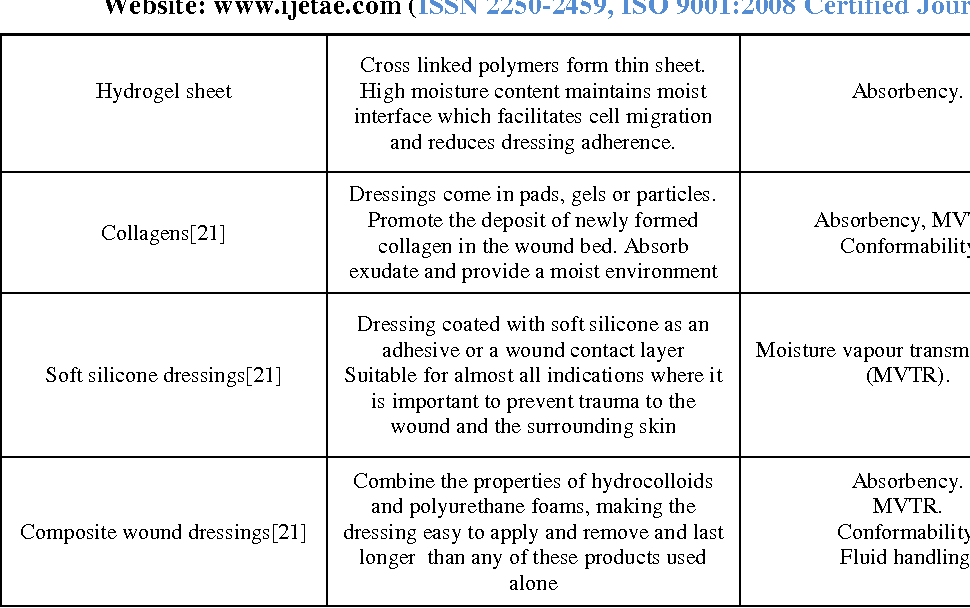
This type of dressing is used to keep the wound moist. I will explain how to perform a wet to dry. Currently, there are a variety of wound dressings available ranging from passive adherent/nonadherent to interactive and bioactive products that contribute to the healing process.
This type of dressing is. Wet to dry dressings should be used with the open “woven” gauze pads. When it dries it collects debris from within the wound and keeps it clean.
As the dressing is removed, so is the unhealthy tissue. To remove exudate, necrotic debris and bacterial contaminants, to pro. The most common cloth to use is clean gauze.
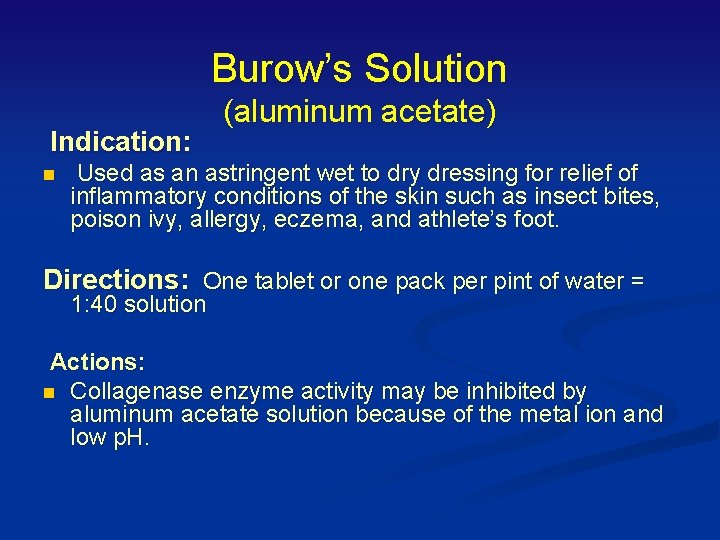
Eczema Two Thousand Rashes And Three Creams A

Moist Wound Healing The New Standard Todays Veterinary Practice
46 Advanced Wound Care Wet To Moist Dressing And Wound Irrigation And Packing Clinical Procedures For Safer Patient Care

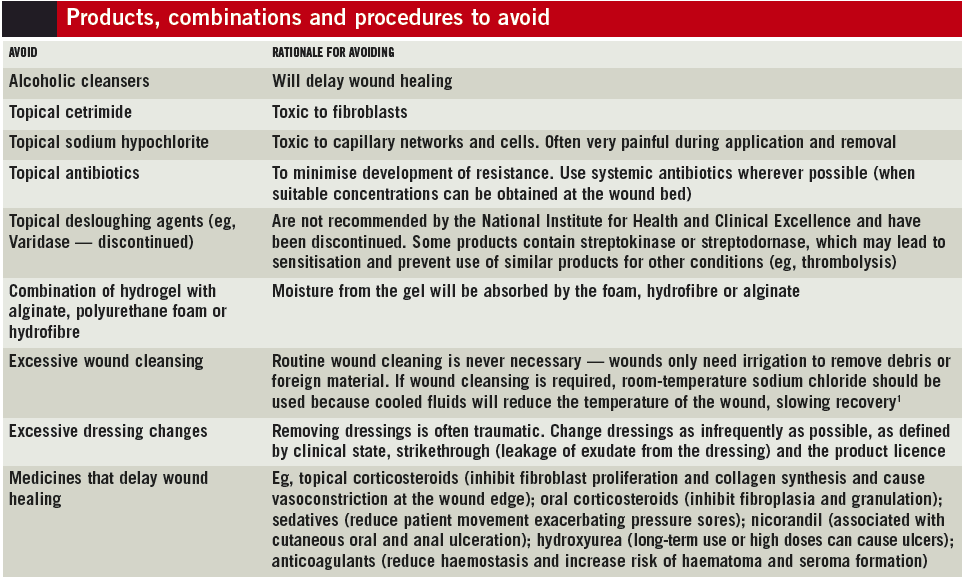
How To Select A Wound Dressing - The Pharmaceutical Journal

Moist Wound Healing The New Standard Todays Veterinary Practice
Wound Management By Jenn Dailey Rn Bsn Different
Ppt - Bandaging Powerpoint Presentation Free Download - Id2351356
Wound Dressing

Advantage And Disadvantage Of Different Types Of Wound Dressing Download Table
Skin And Wound Care Rn And Lpn Dressings Section 5 Of 7 - Ppt Download
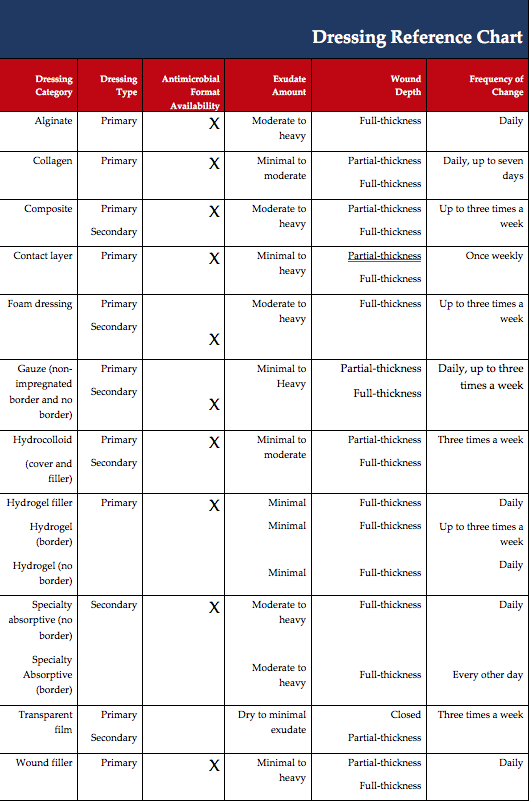
How Do You Select A Wound Dressing Wound Dressing Categories And Selection

Pdf Hydro-responsive Wound Dressings Simplify Time Wound Management Framework Semantic Scholar
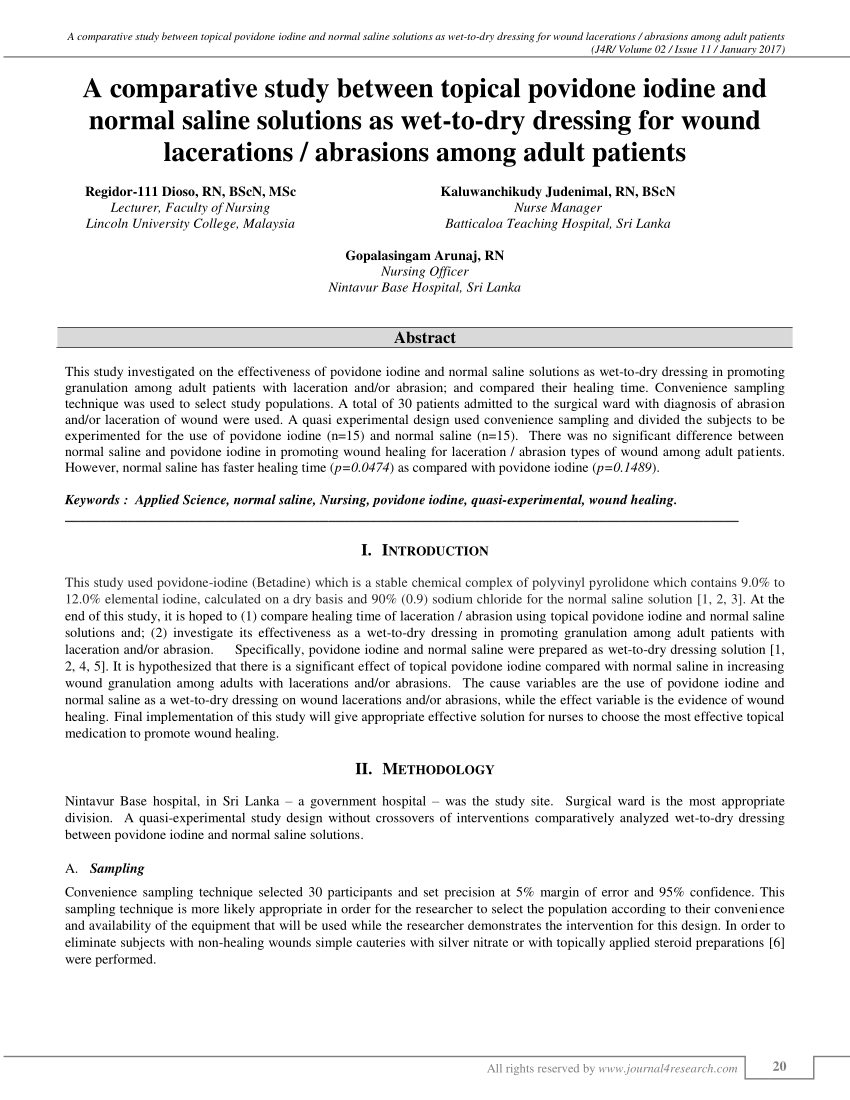
Pdf A Comparative Study Between Topical Povidone Iodine And Normal Saline Solutions As Wet-to-dry Dressing For Wound Lacerations Abrasions Among Adult Patients
Wound Dressing
Current Concepts In Wound Management And Wound Healing Products Semantic Scholar

Wound Care Dressings And Their Main Indications Download Table
Quality Evaluation Methods For Textile Substrates Based Wound Dressings Semantic Scholar

Wound Care Dressings And Their Main Indications Download Table
Betaplast Dressing Selection
